Image - 2026-11-28 07:29
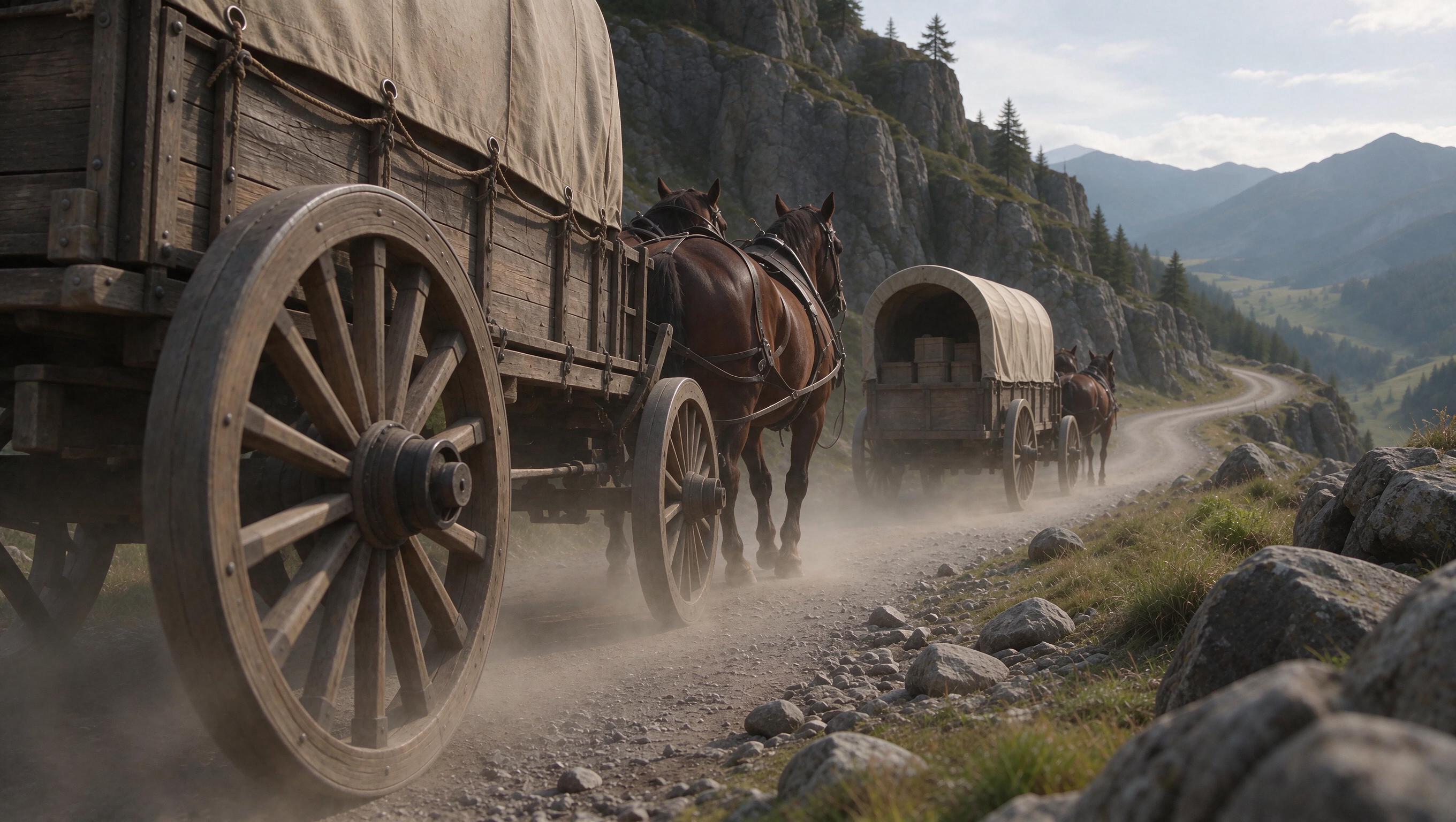
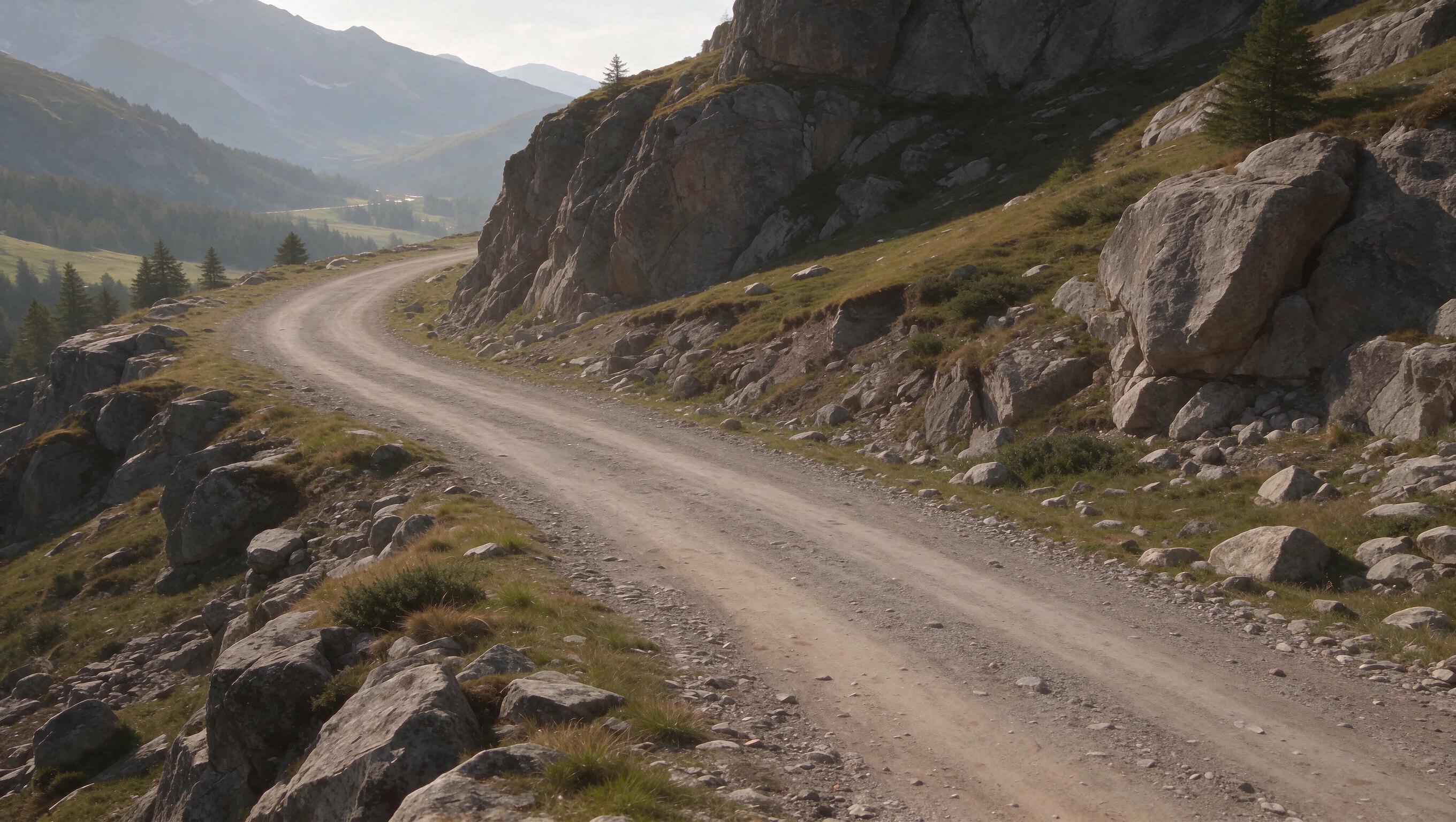
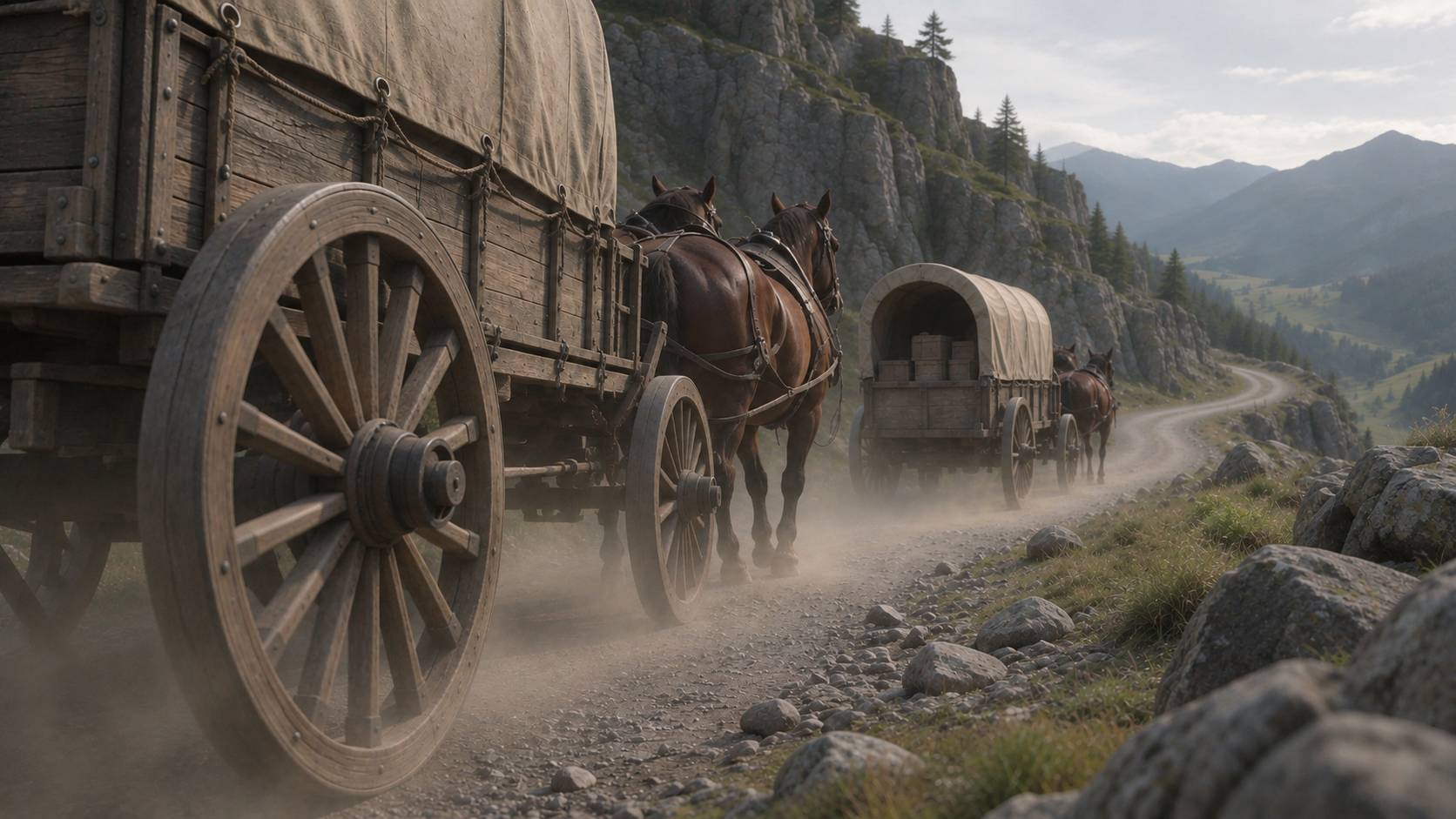
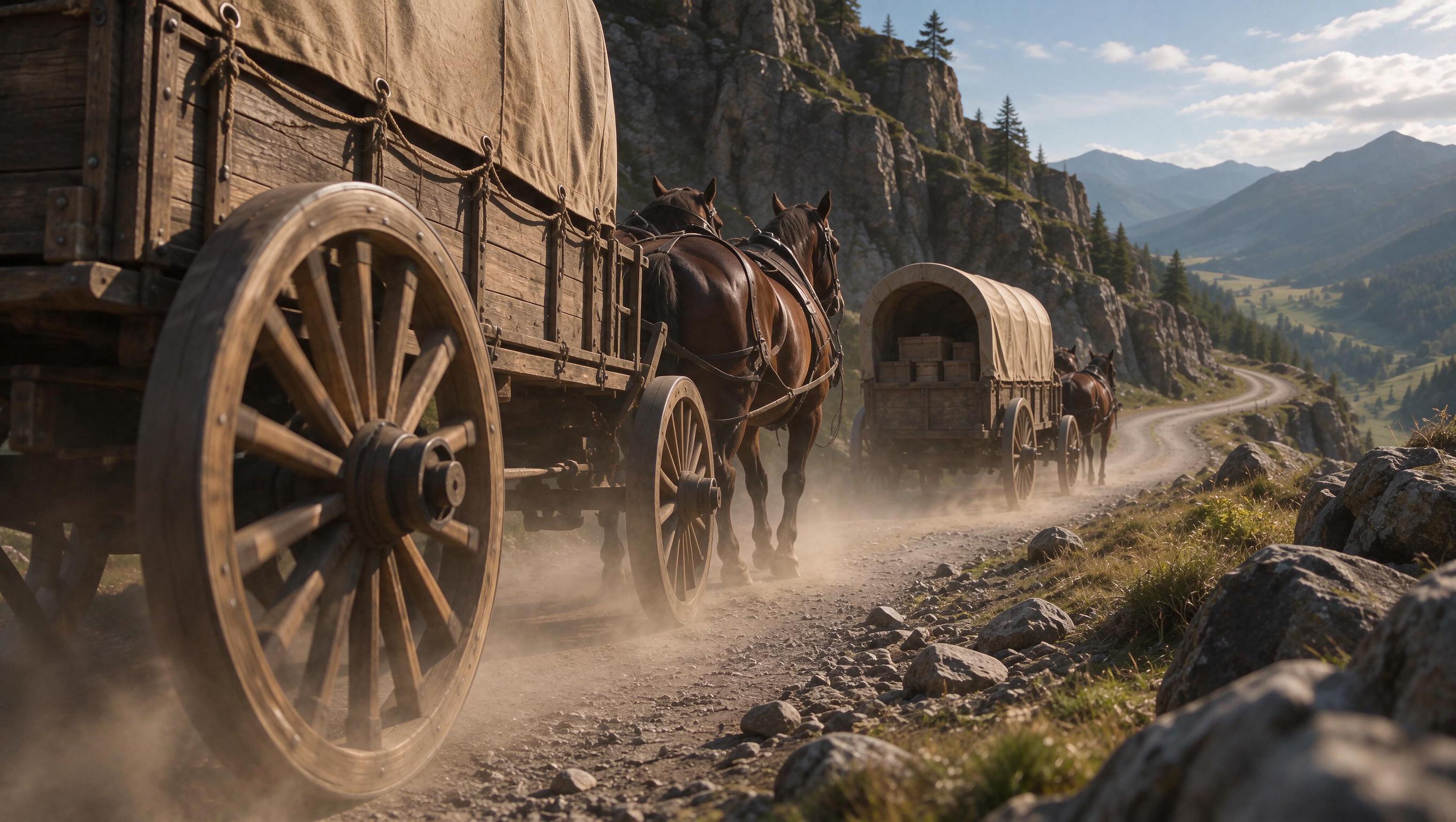
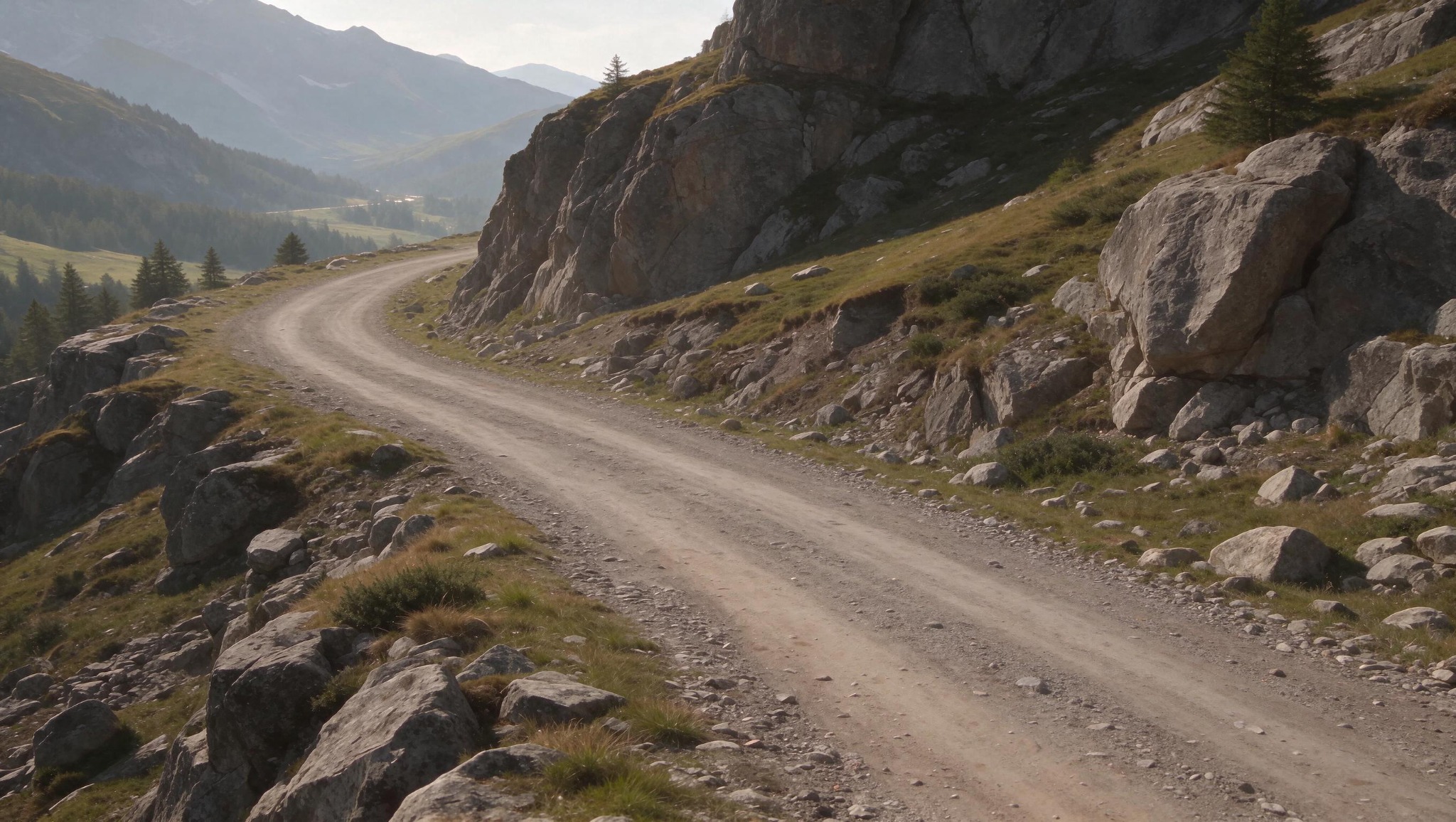
# ROAD OF WORLDS — ACT I: WORLD OF ORCS ## CINEMATIC COLOR AND LIGHT MATCHING ### SHOT 02 — CARAVAN APPROACHING LOCATION X ### HOLLYWOOD LIVE-ACTION FEATURE FILM Edit REFERENCE IMAGE 1 to match the professional cinematic lighting, color grading, atmospheric characteristics and natural photographic appearance of REFERENCE IMAGE 2. THIS IS A PRECISE CINEMATIC COLOR-GRADING AND LIGHTING-MATCHING TASK. It is NOT a scene redesign, camera change or geographical correction. ## 1. STRICT REFERENCE ROLES REFERENCE 1 — SOURCE IMAGE TO EDIT. The scene with a very large wooden wagon wheel dominating the left foreground, two covered horse-drawn wagons traveling along a winding mountain road, realistic horses, gravel, cliffs, dust and a distant mountain valley. PRESERVE THE EXACT ORIGINAL COMPOSITION. REFERENCE 2 — ABSOLUTE LIGHTING AND COLOR REFERENCE. The empty alpine mountain road with the large natural cliff on the right, soft daylight, restrained mountain colors, natural atmospheric perspective and beautiful photographic realism. Use REFERENCE 2 ONLY as the visual standard for: - Sunlight character and softness. - Overall white balance. - Cinematic color grading. - Shadow contrast and detail. - Highlight intensity. - Natural vegetation colors. - Limestone color reproduction. - Distant mountain atmospheric perspective. - Natural optical sharpness. - Professional clean photographic image quality. DO NOT transfer its road geometry, cliff positions, camera viewpoint or landscape composition into REFERENCE 1. These are two different camera positions along the same mountain journey. The difference in geography and road curvature is INTENTIONAL. ## 2. ABSOLUTE COMPOSITION LOCK Keep EVERYTHING in REFERENCE 1 in its exact original position. Preserve: - The very large wagon wheel on the left. - Its exact proportions and position. - The nearby covered wagon. - The two horses in front of the nearby wagon. - The leading covered wagon farther ahead. - Its original two horses. - All harnesses and wooden structures. - The winding mountain road. - The original cliff formations. - Foreground stones and vegetation. - The distant mountain valley. - The camera height, direction and focal perspective. - The existing foreground, middle-ground and background relationships. Do not move, remove, replace or redesign any objects. Do not mirror or rotate the landscape. Do not modify the road curvature. Do not change the scale or proportions of the wagons and horses. Do not add people, buildings, magical effects or new objects. ## 3. MATCH THE SUNLIGHT OF REFERENCE 2 REFERENCE 1 currently has warmer and somewhat harder sunlight. Adjust it toward the more restrained, naturally diffused late-afternoon sunlight seen in REFERENCE 2. Reduce excessive golden-orange illumination. Maintain a beautiful natural directional sun, but soften the harshest highlight-to-shadow transitions. Preserve physically correct light direction and realistic existing shadow geometry. Do not reverse the apparent sunlight direction. Gently reduce overly dark shadows while retaining dimensional depth. Preserve natural contact shadows underneath horses, wheels and wagons. Introduce realistic reflected light from pale mountain rock and gravel. The overall illumination should feel calm, balanced, natural and genuinely photographed. DO NOT FLATTEN THE IMAGE. The wooden wheel, horses and wagons must retain realistic three-dimensional shape. ## 4. MATCH THE CINEMATIC COLOR GRADING Use REFERENCE 2 as the master color-grading target. Natural muted gray-beige limestone. Restrained olive-green alpine grass. Neutral earthy road colors. Authentic weathered brown timber. Natural beige canvas. Realistic brown and dark-brown horse coats. Subtle cool blue-gray atmospheric tones in distant mountains. Neutral, naturally balanced daylight. Reduce excessive orange, yellow and saturated blue tones. Avoid heavy desaturation. Avoid artificial orange-and-teal grading. Maintain beautiful separation between sunlit and shaded surfaces. Use organic Kodak Vision3-inspired cinematic tonal reproduction. Rich but natural midtones. Smooth highlight roll-off. Soft, detailed highlights. Deep but readable shadows. The two reference scenes should appear to have been filmed on the SAME DAY, under the SAME WEATHER CONDITIONS, by the SAME CINEMATOGRAPHER and finished with the SAME COLOR-GRADING PROCESS. ## 5. ATMOSPHERIC MATCHING Match the natural mountain-air clarity of REFERENCE 2. Preserve the realistic road dust already present in REFERENCE 1, but make it slightly thinner, more localized and more transparent. Dust should remain primarily near the horses' hooves and wagon wheels. Do not allow a uniform gray dust veil to cover the entire scene. Maintain subtle natural atmospheric perspective in the distant valley. Distant mountains should have softly reduced contrast and natural cool tones. Do not add artificial fog, cinematic smoke or exaggerated volumetric sunbeams. ## 6. PREMIUM PHOTOGRAPHIC QUALITY Hollywood Cinematic Hyperrealism. High-budget live-action feature-film photography. ARRI Alexa 35-inspired cinematic image characteristics. Cooke S4/i professional cinema lens aesthetics. Kodak Vision3-inspired organic color response. Maintain authentic photographic textures: - Real weathered wooden wheel. - Natural timber grain. - Genuine canvas fibers. - Authentic leather harnesses. - Realistic horse hair and anatomy. - Natural rock erosion and cracks. - Real gravel, dust and vegetation. Preserve original optical detail. Avoid overprocessing. No visible digital noise. No heavy film grain. No artificial sharpening. No crunchy micro-contrast. No sharpening halos. No plastic materials. No fake HDR. No videogame-rendering appearance. No digital painting or illustration. ## 7. STRICT OUTPUT REQUIREMENTS Generate ONE SINGLE HORIZONTAL 16:9 IMAGE. Preserve the exact framing of REFERENCE 1. No crop. No stretching. No perspective changes. No new camera angle. No new geographical elements. No changes to the number or placement of horses and wagons. No redesign of the mountain scene. No artificial cinematic black bars. No titles or watermarks. Highest available native image quality, preferably 4K if supported. ## FINAL DIRECTOR'S INSTRUCTION Keep REFERENCE 1 visually and geometrically identical. Change ONLY the lighting characteristics, tonal balance, photographic color grading, atmospheric rendering and image finishing. Use REFERENCE 2 as the definitive master reference for natural late-afternoon sunlight and professional cinematic color. Create a seamless visual match between the two shots so they appear to belong to one continuous Hollywood live-action film sequence. REFERENCE 2 represents an EARLIER section of the caravan journey. REFERENCE 1 represents the LATER moment when the caravan approaches location X. Their different camera angles and geographical viewpoints are correct and must remain unchanged. **SAME FILM. SAME TIME OF DAY. SAME CINEMATIC COLOR LANGUAGE.** **PRESERVE SHOT 02 COMPOSITION EXACTLY.** **MATCH REFERENCE 2 LIGHTING AND COLOR.** **ONE CLEAN, PHOTOREALISTIC 16:9 CINEMATIC FILM FRAME.**

Бесплатный старт · Генерация видео и картинок с ИИ за секунды
More from this creator

More Seedream 5.5 images
См. все →